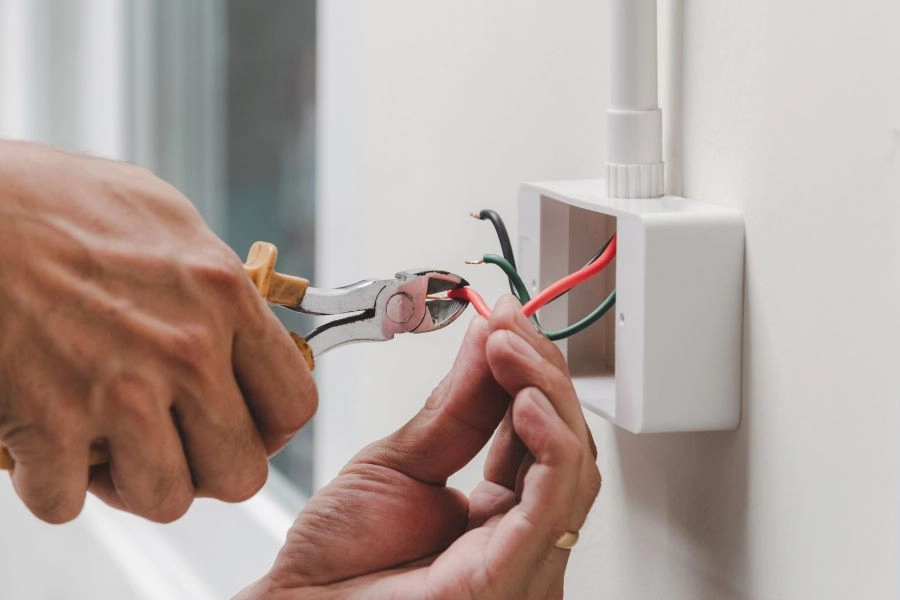
Electrical safety in the home is a critical aspect of overall safety and well-being. Regular inspections and adherence to safety codes can prevent many common hazards. Ground Fault Circuit Interrupters (GFCIs) and surge protectors are essential tools for safeguarding electrical systems. However, residents must remain vigilant about signs of electrical issues. Understanding these factors can greatly enhance home safety. Yet, many overlook the importance of professional assessments, which can uncover hidden dangers.
Key Takeaways
- Conduct regular inspections of your electrical systems to identify and address potential hazards early.
- Install Ground Fault Circuit Interrupters (GFCIs) in areas prone to moisture, such as kitchens and bathrooms.
- Avoid overloading circuits by distributing high-wattage devices across multiple outlets.
- Use insulated tools and personal protective equipment when performing any electrical work or repairs.
- Seek professional help for persistent issues like flickering lights or frequent circuit breaker trips.
Understanding the Importance of Electrical Safety at Home
While many homeowners may overlook the significance of electrical safety, understanding its critical role is essential in preventing hazards. Electrical systems pose risks that can lead to serious injuries or property damage if not properly managed. By recognizing the importance of regular inspections, homeowners can identify potential issues before they escalate. Additionally, utilizing Ground Fault Circuit Interrupters (GFCIs) and ensuring that all wiring meets current safety codes are crucial steps. Creating a habit of checking for frayed cords and avoiding overloading outlets are practical methods of how to improve electrical safety at home. By fostering awareness and implementing these strategies, individuals not only protect their families but also cultivate a shared commitment to safety within their communities.
Common Electrical Hazards and Their Prevention
Although electrical systems are integral to modern living, they also present various hazards that can jeopardize safety. Common electrical hazards include overloaded circuits, frayed wires, and improper grounding. Overloading occurs when too many devices draw power from a single circuit, increasing the risk of overheating and fire. Frayed wires expose conductive materials, potentially leading to electric shocks. Additionally, improper grounding can result in equipment damage and increased shock hazards. To prevent these issues, homeowners should regularly inspect their electrical systems, avoid using multiple high-wattage devices on the same circuit, and guarantee all wiring is intact and properly installed. Implementing these measures is essential for improving electrical safety at home and fostering a secure living environment.
Essential Tools and Equipment for Electrical Safety
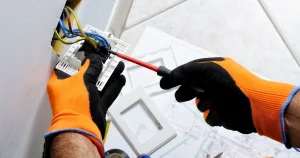
To enhance electrical safety at home, the right tools and equipment play a pivotal role. Essential items include insulated screwdrivers, which prevent electrical shock during repairs, and voltage testers that confirm the absence of electrical current before work begins. Circuit testers serve to identify faulty circuits, ensuring that safety protocols are followed rigorously. Additionally, surge protectors safeguard against voltage spikes, protecting devices and reducing fire risks. Personal protective equipment, such as rubber gloves and safety goggles, further mitigate hazards during electrical tasks. Homeowners should also consider utilizing GFCI outlets, which cut off power in wet conditions, thereby reducing the risk of electrocution. Together, these tools and equipment contribute greatly to improving electrical safety at home, fostering a safer living environment.
Best Practices for Maintaining Electrical Systems
Maintaining electrical systems in a home is vital for guaranteeing safety and functionality. Regular inspections of wiring, outlets, and circuit breakers are important; any signs of wear or damage should be addressed promptly. Homeowners should verify that all electrical installations comply with local codes and standards, minimizing the risk of hazards. It is advisable to avoid overloading circuits, as this can lead to overheating and potential fire risks. Additionally, using surge protectors can safeguard devices from voltage spikes. Keeping electrical panels accessible and clearly labeled enhances safety during emergencies. Finally, homeowners should maintain a routine to test smoke and carbon monoxide detectors, confirming these critical safety devices are operational. Adhering to these best practices promotes a secure living environment.
When to Seek Professional Help for Electrical Issues
Determining when to seek professional help for electrical issues can be vital for maintaining safety in the home. Homeowners should consider enlisting an electrician when they encounter frequent circuit breaker trips, flickering lights, or burning odors emanating from outlets. These signs often indicate underlying problems that may escalate into hazardous situations. Furthermore, if there is a need to install new wiring or upgrade the electrical service, professional expertise becomes essential. In addition, any DIY electrical repairs that result in confusion or uncertainty warrant consultation with a qualified technician. Adhering to these guidelines not only enhances electrical safety at home but also fosters a sense of community through shared knowledge and responsible practices.
Frequently Asked Questions
What Are the Signs of Faulty Electrical Wiring at Home?
Signs of faulty electrical wiring include frequent circuit breaker trips, flickering lights, burning odors, discolored outlets, and unusual heat from cables. These indicators necessitate immediate inspection to prevent potential hazards and guarantee home safety.
How Often Should I Test My Smoke Alarms?
Smoke alarms should be tested at least once a month to guarantee functionality. Additionally, batteries should be replaced annually, and units should be replaced every ten years to maintain ideal safety standards in residential environments.
Can I Do My Own Electrical Repairs Safely?
Performing one’s own electrical repairs can be risky without proper knowledge and skills. It is advisable to consult a licensed electrician for safety, ensuring compliance with local regulations and minimizing potential hazards associated with electrical work.
What Types of Circuit Breakers Are Best for Home Safety?
For ideal home safety, dual function circuit breakers, such as Ground Fault Circuit Interrupters (GFCIs) and Arc Fault Circuit Interrupters (AFCIs), are recommended. They provide essential protection against electrical shocks and fire hazards, enhancing overall safety.
How Can I Child-Proof Electrical Outlets Effectively?
To effectively child-proof electrical outlets, install outlet covers or tamper-resistant outlets, ensuring they fit securely. Additionally, educate children about electrical safety, reinforcing boundaries and behaviors that promote awareness and caution around electricity.
Conclusion
To summarize, enhancing electrical safety at home is a critical component of overall household security. By regularly inspecting electrical systems, utilizing protective devices like GFCIs, and adhering to safety protocols, homeowners can greatly reduce the risk of electrical hazards. Implementing best practices and remaining vigilant for signs of wear or malfunction further fortifies safety measures. Ultimately, proactive maintenance and timely professional intervention are paramount in safeguarding both property and the well-being of occupants against electrical dangers.
You May Also Like To Read: